
The Allure of Casino Games
The allure of casino games stems largely from their ability to engage players on multiple psychological levels. The thrill of risk and uncertainty attracts individuals seeking excitement in their daily lives. When players sit down at a table or spin the wheel, they enter a world where every moment is charged with potential rewards, especially when they explore the best online casino with instant withdrawal options available today. This tantalizing combination of chance and strategy offers a unique form of escapism, allowing players to forget their daily troubles while immersing themselves in the adrenaline-fueled atmosphere of the casino. This experience is not merely about winning money; it encompasses the entire emotional journey players embark upon.
Additionally, the sensory environment created in casinos plays a significant role in enhancing this allure. Bright lights, engaging sounds, and luxurious settings stimulate the senses, creating an inviting space where players feel energized and optimistic about their chances. This design is intentional; casinos are engineered to create a sense of euphoria that encourages players to stay longer and play more. The experience becomes a cocktail of emotions, where the thrill of winning and the agony of losing are intertwined, making it hard for players to resist the next spin or hand. The ambiance is crafted to heighten anticipation, blurring the line between reality and the dreamlike state that gambling can induce.
The psychological impact is further magnified by the social aspect of gambling. Many players enjoy the camaraderie that can develop at the tables or slots, where interactions can lead to shared experiences and emotional highs. People are naturally drawn to social situations, and the casino provides a unique backdrop for connections to form. This social dynamic adds another layer to the psychology of gambling, turning what could be a solitary activity into a shared adventure, reinforcing players’ desire to return for more experiences. The laughter, cheers, and collective gasps create a vibrant community atmosphere that enhances the overall enjoyment of the gaming experience.
The Role of Reward Systems in Gambling
At the heart of casino operations is a sophisticated understanding of reward systems that influence player behavior. Gamblers are often motivated by the potential for financial gain, yet research shows that the anticipation of rewards may be even more important than the actual winnings. This phenomenon aligns with the principles of operant conditioning, where positive reinforcement encourages repetitive behavior. Casinos have mastered the art of creating these reward structures, employing techniques that maximize player engagement and spending, such as loyalty programs that encourage repeat visits and increased playtime.
One effective method used in casinos is the variable ratio schedule of reinforcement, where players receive rewards at unpredictable intervals. This unpredictability fosters a sense of excitement and hope, compelling players to continue playing in search of the next big win. This is why even after a significant loss, players often want to “chase” their losses, driven by the potential reward that lies just around the corner. The intermittent nature of reward delivery keeps players engaged, and the brain’s release of dopamine during moments of anticipation further strengthens this addictive cycle. This mechanism ensures that players remain captivated by the prospect of winning, regardless of their current standing.
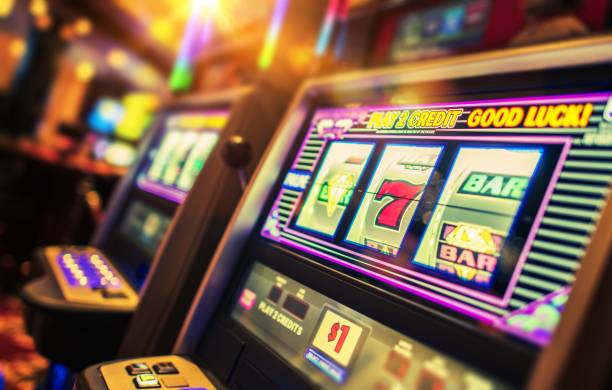
Moreover, the “near miss” effect is another psychological phenomenon prevalent in gambling. When players experience a near win, such as landing two out of three required symbols, it creates a misleading sense of potential success. The brain interprets these near misses as evidence that a win is imminent, reinforcing the desire to keep playing. This effect can heavily influence gambling behavior, leading players to believe that persistence will eventually lead to victory, thereby perpetuating the cycle of gambling despite their losses. Understanding these patterns can help players recognize the thin line between hope and delusion in their gaming experiences.
The Impact of Emotion on Gambling Decisions
Emotions play a pivotal role in shaping gambling behaviors, often leading players to make irrational decisions. The excitement of winning can cloud judgment, prompting individuals to take risks they would typically avoid in everyday life. This emotional investment can lead to impulsive betting, as players become swept up in the moment, driven by the highs of their recent successes. This connection between emotion and decision-making underscores the complex interplay between psychological states and gambling behaviors, highlighting how easily emotions can sway rational thought.
Conversely, negative emotions such as frustration or desperation can result in equally irrational choices. Players experiencing a losing streak may resort to chasing losses, believing that their fortunes must change. This emotional response can lead to increased risk-taking and larger bets, as players attempt to regain control over their outcomes. Such situations illustrate how emotion can drive behavior in casinos, often leading to detrimental financial decisions and long-term gambling issues. Acknowledging these emotional triggers is crucial for gamblers seeking to manage their play more effectively.
Understanding the emotional triggers that influence gambling decisions can provide valuable insights into how to promote responsible gambling practices. By recognizing when emotions are impacting their decisions, players can develop strategies to mitigate these influences. For example, taking breaks or setting strict limits can help individuals regain emotional balance and make more rational choices, ultimately fostering healthier gambling habits. Creating a personal gambling strategy that incorporates emotional checks can significantly enhance the overall experience while reducing the likelihood of falling into harmful patterns.
The Role of Cognitive Biases in Gambling
Cognitive biases significantly shape the way gamblers perceive their chances of winning and losing. One prevalent bias is the illusion of control, where players believe they can influence the outcome of games that are primarily based on chance. This belief can lead players to engage more in games like blackjack or poker, where they feel that skill plays a role, despite the element of luck that is inherent in all gambling. This bias can create an overestimation of one’s abilities, leading to riskier behaviors and increased betting, which can ultimately result in significant financial loss.

Another common cognitive bias is the gambler’s fallacy, where individuals mistakenly believe that past events will influence future outcomes in random games. For example, a player who observes a series of red outcomes on a roulette wheel might incorrectly assume that black is “due” to appear next. This fallacy can lead to poor decision-making, as players chase perceived patterns instead of recognizing that each spin is an independent event. Understanding these biases can help players develop a more realistic view of the odds, leading to more informed gambling decisions that prioritize long-term enjoyment over short-term excitement.
These cognitive biases not only affect individual players but also have broader implications for the casino industry. Casinos utilize these biases to their advantage, designing games and experiences that appeal to players’ misconceptions and emotional triggers. By recognizing these influences, players can empower themselves to make more educated choices about their gambling activities, ultimately aiming for a more enjoyable and controlled experience. Knowing how biases operate can help players develop a critical mindset towards their gambling habits, ensuring they are more aware of their decision-making processes.
Understanding the Importance of Responsible Gambling
The psychological insights into gambling behaviors underscore the critical need for responsible gambling practices. Awareness of the numerous psychological triggers can help individuals identify when their gambling is becoming problematic. By fostering an understanding of the emotional, cognitive, and social aspects of gambling, individuals can make informed choices and set healthy boundaries regarding their gaming habits. This awareness can empower players to enjoy the thrill of gambling while minimizing the risks associated with excessive behavior, creating a more sustainable approach to gaming.
Organizations dedicated to promoting responsible gambling emphasize the importance of self-awareness and control. These initiatives encourage players to reflect on their motivations for gambling, assess their emotional states, and recognize the signs of addictive behavior. Education is a key component, equipping individuals with knowledge about risk factors and the impact of their decisions. By cultivating a responsible gambling culture, the industry can work toward reducing the prevalence of gambling-related harm, ensuring that players engage in gaming responsibly and for enjoyment.
Additionally, many casinos are increasingly implementing measures to promote responsible gambling within their establishments. This includes offering resources for self-exclusion, providing information about responsible gaming practices, and training staff to recognize and assist customers showing signs of distress. The integration of these initiatives demonstrates a growing commitment to customer welfare, ensuring that the thrill of gambling remains an enjoyable and entertaining activity rather than a source of harm. By prioritizing responsible gaming, casinos can contribute to a healthier gambling environment for all players.